FAMILY ARCHIVING SERVICES
You don't need to know exactly what kind of archival help you need before reaching out. Most collections overlap. We can figure out what you have, what matters most, and where it makes sense to begin.
What I Offer
PRINT & PHYSICAL ARCHIVES
For the boxes, albums, papers, and photographs you've been meaning to deal with.
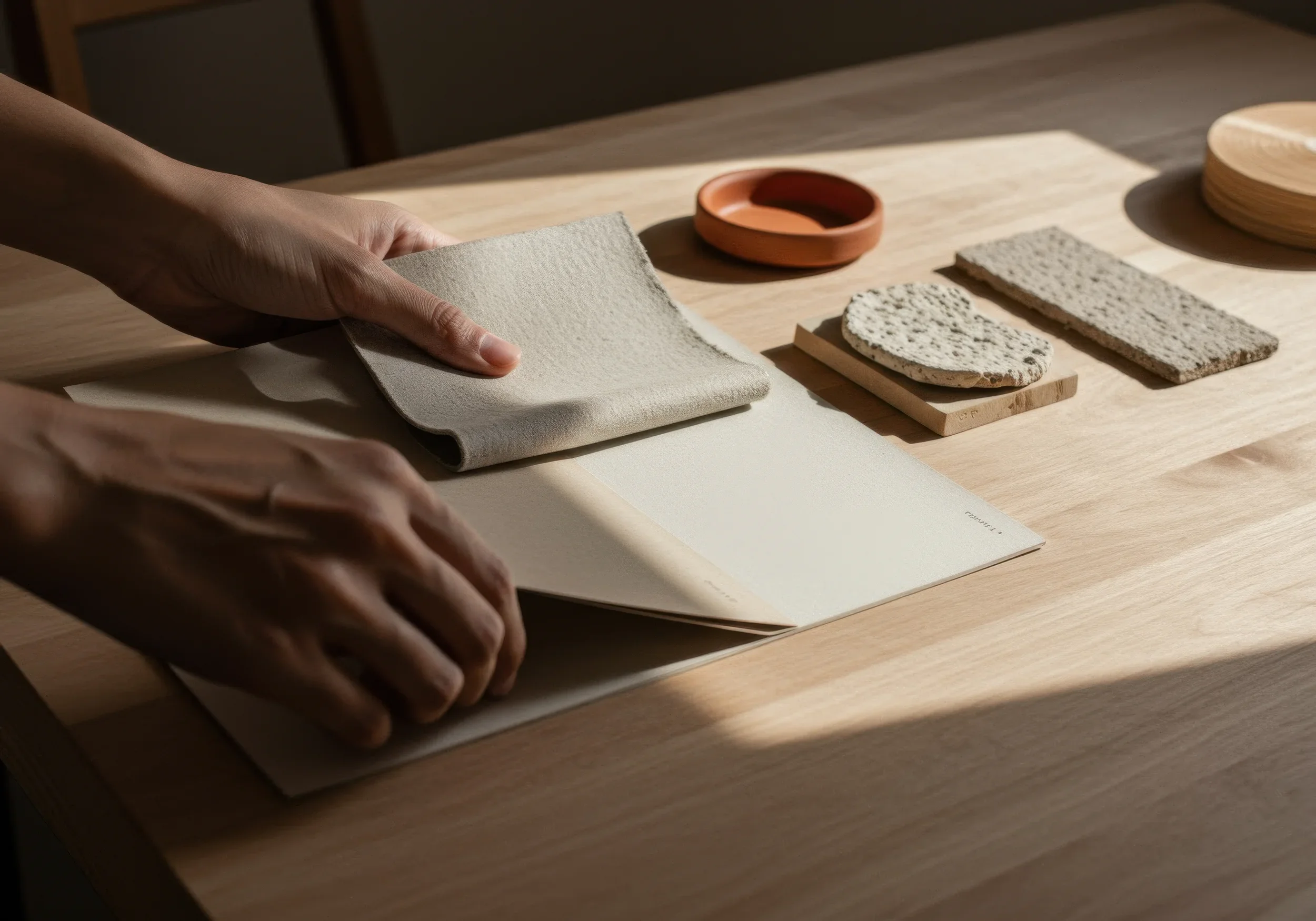
I sort and organize printed photographs, albums, letters, documents, recipes, children's artwork, and other family materials while documenting the names, dates, relationships, places, and stories connected to them.

Depending on the collection, your project may include collection assessment, sorting and organization, photo identification, documentation, archival storage recommendations, digitization planning, and a system for finding things again.

You’re left with an organized collection that makes sense, not another set of mystery boxes for the next generation.
DIGITIZATION & MEDIA PRESERVATION
For the photographs and recordings you want to protect—and actually see again.
I professionally digitize photographs, negatives, slides, home movies, and other family media, then organize the resulting digital files so they're easy to identify, find, view, and share.

Projects can include archival-grade scanning, home movie digitization, preservation master files and everyday access copies, file naming and organization, descriptive information, backup planning, and recommendations for protecting the originals.

You receive high-quality digital copies organized as part of your family archive, not a folder containing 2,000 files called IMG_001.
DIGITAL PHOTO ORGANIZATION
For the thousands of photographs scattered across your digital life.
I professionally digitize photographs, negatives, slides, home movies, and other family media, then organize the resulting digital files so they're easy to identify, find, view, and share.

Projects can include archival-grade scanning, home movie digitization, preservation master files and everyday access copies, file naming and organization, descriptive information, backup planning, and recommendations for protecting the originals.

You receive high-quality digital copies organized as part of your family archive, not a folder containing 2,000 files called IMG_001.
HEIRLOOMS & FAMILY HISTORY
For the things that carry a story.
Not every piece of family history is a photograph.
Jewelry, clothing, furniture, collections, handwritten recipes, tools, artwork, holiday decorations, and ordinary objects can hold enormous amounts of family history. But much of that history exists only in the memory of the person who knows the story.
I photograph and document meaningful objects, record what is known about their history and provenance, and connect them to the people, photographs, places, and stories they belonged to.
The object doesn't always have to stay forever for its story to.
PRESERVE WHAT THE OBJECT KNOWS
Sometimes preserving family history means keeping something carefully.
Sometimes it means scanning it.
Sometimes it means photographing it, recording the story, and letting the physical object go.
Your grandmother's china can become photographs paired with the story of Sunday dinner. A wedding dress can be documented alongside photographs of the person who wore it. A collection can be photographed and cataloged before it's divided among family members.
The goal isn't to preserve every object indefinitely.
It’s to make thoughtful decisions about what should remain while preserving the history that belongs with it.

WHAT YOU'RE ACTUALLY GETTING
AN ARCHIVE YOUR FAMILY CAN USE.
The goal isn't simply to make everything look tidy.
It's to move from scattered photographs, unidentified people, unlabeled tapes, disconnected digital files, and stories living entirely in someone's memory toward a collection that is organized, identified, documented, accessible, searchable, shareable, and protected.
When the project is finished, you should know what you have, where to find it, what still needs attention, and how to care for it going forward.
And someday, when somebody else inherits it, they should be able to understand it too.
HOW MUCH HELP
DO YOU NEED?
You want to do the work yourself. You need a plan.
We'll look at what you have, identify priorities, talk through organization, digitization and preservation needs, and create a practical plan you can follow on your own.
ARCHIVE CONSULTATION

You have one thing that needs to be dealt with.
Six boxes of photographs. Your parents' home movies. A collection of letters. An inherited group of keepsakes. One unruly digital photo library.
We'll define the collection and I’ll help do the hands-on work required to organize, document, digitize, or preserve it.
FOCUSED ARCHIVE PROJECT
You want to bring the pieces together.
For families with photographs, media, documents, objects, stories, and digital files spread across multiple collections, we'll build a larger system that connects them.
The result is a family archive you can continue adding to, enjoying, sharing, and eventually passing down.
COMPLETE FAMILY ARCHIVE
Frequently Asked Questions
-
Absolutely not. Figuring out what you have and where to begin is part of the work.
-
Photographs, albums, negatives, slides, home movies, letters, journals, recipes, documents, children's artwork, digital photographs and videos, heirlooms, collections, recorded stories, and other materials that help tell your family's story.
-
Yes. I digitize photographs and family media as part of archive projects and organize the resulting files so they're easier to identify, find, enjoy, share, and preserve.
-
That's okay. Large collections don't have to be solved all at once. We can establish priorities and divide the work into manageable phases.
-
No. Family archiving isn't decluttering disguised as preservation. I can help you understand and document what you have so you can make informed decisions about what stays, what gets passed on, and what may eventually leave.
-
Yes. Family archives often intersect with grief, inheritance, and the process of sorting through someone's belongings. We can move through that work thoughtfully and at a pace appropriate for the project.
-
If an item requires specialized conservation or treatment beyond the scope of my work, I'll identify that and recommend the appropriate next step rather than attempting work that should be handled by a specialist.